



Home
Shop
Wishlist0

Connect Anywhere, Anytime: Grandstream’s IP PBX Systems Transform Business Communication

Grandstream Networks, Inc.: Revolutionizing Communication Solutions

In the fast-paced world of technology, communication plays a pivotal role in connecting individuals and businesses across the globe. One company that has been at the forefront of providing innovative communication solutions is Grandstream Networks, Inc. Established in 2002, Grandstream has grown to become a global leader in the development and manufacturing of cutting-edge IP voice and video communication solutions.

The Genesis of Grandstream Networks:

Founded by David Li, Grandstream Networks had humble beginnings in Boston, Massachusetts. The company’s vision was to create communication solutions that would not only be advanced in technology but also accessible to a wide range of users. Grandstream started with a focus on Voice over Internet Protocol (VoIP) technology, which was gaining momentum as a cost-effective and efficient way to transmit voice and multimedia content over the internet.

Product Portfolio:

Grandstream Networks has an extensive product portfolio that caters to various communication needs, ranging from small and medium-sized businesses to large enterprises. One of their flagship product lines is their IP Phones, which are designed to provide high-quality voice communication over the internet. These phones come equipped with advanced features such as high-definition audio, multi-line support, and a user-friendly interface.

In addition to IP Phones, Grandstream offers a range of IP Video Phones that integrate video calling capabilities, enabling face-to-face communication over IP networks. This is particularly valuable for businesses looking to enhance collaboration and engagement among their teams.

Grandstream’s IP PBX (Private Branch Exchange) systems provide businesses with a comprehensive and scalable solution for managing their communication networks. These systems support a wide range of features, including call routing, voicemail, conferencing, and more, empowering organizations to streamline their communication infrastructure.

Furthermore, the company offers a diverse range of Video Conferencing solutions, which have gained prominence in recent years, especially with the rise of remote work. Grandstream’s video conferencing products provide high-definition video and audio quality, making virtual meetings as seamless as possible.

Innovative Technologies:

What sets Grandstream Networks apart is its commitment to incorporating innovative technologies into its products. The company has been an early adopter of open-standard SIP (Session Initiation Protocol) technology, ensuring interoperability with a wide range of VoIP platforms and devices. This approach not only enhances flexibility for users but also promotes a collaborative ecosystem within the communication industry.

Grandstream has also embraced the power of Artificial Intelligence (AI) in its products. For instance, their video conferencing solutions often integrate AI features like facial recognition and voice detection, adding an extra layer of security and convenience to users.

Global Reach:

From its inception, Grandstream Networks has been dedicated to creating a global presence. The company has established a strong network of distribution partners and resellers in various regions, ensuring that its products are readily available to customers worldwide. This global reach has contributed significantly to Grandstream’s success, as businesses from diverse industries have adopted their communication solutions.

Grandstream’s commitment to localization is evident in the multilingual support provided in their devices, making them accessible to users from different linguistic backgrounds. This inclusivity reflects the company’s understanding of the diverse needs of its customer base.

Corporate Social Responsibility:

Beyond its technological achievements, Grandstream Networks places a strong emphasis on corporate social responsibility. The company actively engages in environmentally sustainable practices in its manufacturing processes and packaging. Moreover, Grandstream has been involved in various community initiatives, supporting education and technology programs to empower individuals and communities.

Challenges and Adaptation:

Like any successful company, Grandstream Networks has faced its share of challenges. The rapidly evolving nature of technology requires constant adaptation, and Grandstream has been proactive in staying ahead of industry trends. The company invests in research and development to ensure that its products remain cutting-edge and aligned with the changing needs of the market.

Market competition is another challenge that Grandstream navigates adeptly. By focusing on quality, innovation, and customer satisfaction, the company has built a reputation for reliability in the highly competitive communication solutions sector.

Looking Ahead:

As we look ahead, the future appears promising for Grandstream Networks. The ongoing advancements in communication technology, coupled with the increasing demand for reliable and feature-rich solutions, position the company for continued growth.

The integration of emerging technologies such as 5G and the Internet of Things (IoT) presents new opportunities for Grandstream to expand its product offerings and provide even more sophisticated communication solutions. The company’s agility and commitment to staying at the forefront of technological trends will likely contribute to its sustained success.

In conclusion, Grandstream Networks, Inc. has emerged as a trailblazer in the field of communication solutions. From its inception, the company has demonstrated a commitment to innovation, quality, and global accessibility. As businesses and individuals continue to rely on advanced communication technologies, Grandstream’s role in shaping the future of communication is set to become even more significant. Whether it’s IP phones, video conferencing solutions, or IP PBX systems, Grandstream Networks remains a driving force in revolutionizing the way we connect and communicate.

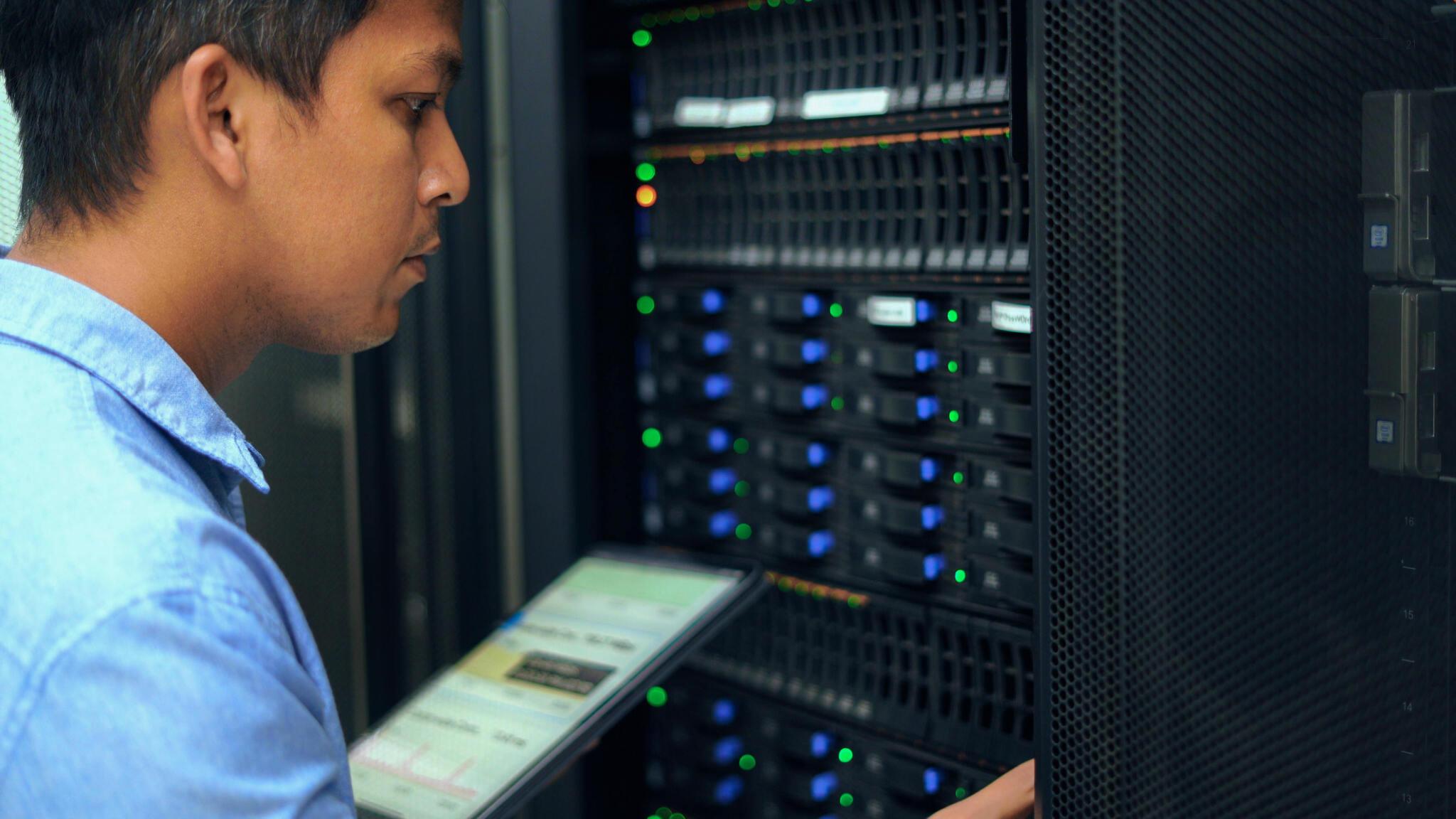
FortiGate Excellence: Redefining Network Security Standards

Introduction:

In the ever-evolving landscape of cybersecurity, organizations are constantly on the lookout for robust solutions to safeguard their networks and sensitive data. One such stalwart in the realm of network security is FortiGate, a comprehensive and sophisticated firewall appliance developed by Fortinet. FortiGate stands out as a multifaceted security solution, offering a plethora of features designed to protect against a wide range of cyber threats. In this article, we will delve into the world of FortiGate, exploring its key features, capabilities, and the critical role it plays in fortifying network infrastructures.

Understanding FortiGate:

FortiGate is a next-generation firewall (NGFW) that goes beyond traditional firewall capabilities by integrating advanced security functions. It is designed to provide comprehensive protection against various cyber threats, including malware, ransomware, phishing attacks, and more. The FortiGate firewall combines firewall, antivirus, intrusion prevention, VPN (Virtual Private Network), and other security features into a single, unified platform.

Key Features of FortiGate:

  1. Firewall Protection:
    At its core, FortiGate functions as a firewall, implementing stateful inspection to monitor and control incoming and outgoing network traffic based on predetermined security rules. This ensures that only authorized and legitimate traffic is allowed, while potential threats are blocked.
  2. Intrusion Prevention System (IPS):
    FortiGate employs an Intrusion Prevention System to identify and thwart malicious activities. By analyzing network and application traffic, the IPS can detect and prevent various types of attacks, including buffer overflows, SQL injections, and other exploits.
  3. Antivirus and Anti-Malware Protection:
    FortiGate incorporates robust antivirus and anti-malware engines to scan and block malicious content. This includes real-time scanning of files and attachments to prevent the spread of malware within the network.
  4. Virtual Private Network (VPN):
    FortiGate is equipped with VPN capabilities, allowing organizations to establish secure and encrypted connections between remote offices, branch locations, and mobile users. This ensures that sensitive data is transmitted securely over the internet, protecting it from interception or unauthorized access.
  5. Web Filtering:
    To enhance web security, FortiGate includes web filtering features that allow organizations to control and monitor internet access. Administrators can set policies to block access to specific websites or content categories, reducing the risk of malware infections and ensuring compliance with acceptable use policies.
  6. Application Control:
    FortiGate offers granular control over applications running on the network. This enables organizations to manage and prioritize the use of specific applications, optimizing network performance and ensuring that critical business applications receive the necessary resources.
  7. SSL Inspection:
    With the proliferation of encrypted traffic on the internet, SSL inspection has become crucial for identifying and blocking threats within encrypted communications. FortiGate can decrypt and inspect SSL/TLS-encrypted traffic to detect and prevent hidden threats.
  8. Advanced Threat Protection:
    FortiGate employs advanced threat protection mechanisms, including sandboxing, to analyze suspicious files in a controlled environment. This proactive approach helps identify and mitigate emerging threats before they can infiltrate the network.
  9. Centralized Management:
    FortiGate devices can be centrally managed through the Fortinet Security Fabric, providing a unified interface for configuring and monitoring security policies. This centralized management simplifies the task of maintaining consistent security across distributed network environments.
  10. Scalability and Performance:
    FortiGate appliances are available in a range of models, allowing organizations to choose a solution that aligns with their specific performance and scalability requirements. This flexibility ensures that FortiGate can adapt to the evolving needs of businesses of all sizes.

Use Cases and Deployment Scenarios:

  1. Enterprise Networks:
    FortiGate is a popular choice for securing large enterprise networks. Its robust features, scalability, and centralized management make it suitable for organizations with complex network infrastructures that require a comprehensive security solution.
  2. Branch Offices:
    FortiGate is well-suited for securing branch office networks. Its ability to establish secure VPN connections between branch locations and the main office ensures that remote offices remain integrated into the organization’s secure network.
  3. Cloud Security:
    As organizations increasingly migrate to cloud environments, FortiGate provides cloud-native security solutions. Integration with cloud services and platforms allows businesses to extend their security posture to virtualized and cloud-based infrastructures.
  4. Critical Infrastructure Protection:
    Industries such as energy, healthcare, and finance, which rely on critical infrastructure, benefit from FortiGate’s robust security capabilities. It helps safeguard against cyber threats that could have severe consequences on essential services.
  5. Education Institutions:
    FortiGate is also widely adopted in educational institutions to protect sensitive student and faculty data. Web filtering and application control features help manage internet access and ensure a secure online learning environment.

Conclusion:

In the dynamic landscape of cybersecurity, FortiGate stands tall as a versatile and powerful solution for protecting networks against an array of cyber threats. Its combination of traditional firewall capabilities, advanced threat protection, and centralized management make it an invaluable asset for organizations seeking to fortify their defenses.

As the threat landscape continues to evolve, FortiGate remains at the forefront, adapting to emerging challenges and providing innovative solutions. Whether deployed in enterprise networks, branch offices, or cloud environments, FortiGate plays a pivotal role in securing critical assets, ensuring business continuity, and maintaining the integrity of sensitive information. In an era where cyber threats are omnipresent, FortiGate stands as a stalwart guardian, ready to defend against the ever-evolving adversaries of the digital realm.

High-Performance Computing Mastery: Dell PowerEdge R630’s Role in Complex Workloads

Title: Unleashing Power and Efficiency: Dell PowerEdge R630 8 Bay SFF Server

Introduction

In the ever-evolving landscape of data management and server technology, businesses are constantly seeking reliable, powerful, and efficient solutions to meet their growing computational needs. The Dell PowerEdge R630 8 Bay SFF (Small Form Factor) server stands out as a robust and versatile option, delivering a combination of performance, scalability, and energy efficiency. In this article, we will explore the key features, benefits, and potential applications of the Dell PowerEdge R630 8 Bay SFF server.

Key Features

  1. Compact Design and Scalability:
    The Small Form Factor design of the Dell PowerEdge R630 8 Bay makes it an ideal choice for businesses with space constraints. Despite its compact size, this server does not compromise on scalability. With eight drive bays, users can expand storage capacity without sacrificing performance, allowing for flexible configurations to meet specific workload demands.
  2. Powerful Performance:
    At the heart of the PowerEdge R630 is a powerful combination of Intel Xeon processors, providing exceptional computing power. These processors, combined with DDR4 memory support and multiple PCIe slots, ensure high-speed data processing and rapid access to critical applications. This makes the server well-suited for a wide range of tasks, from virtualization to data analytics.
  3. Storage Flexibility:
    The eight drive bays in the Small Form Factor chassis allow for a variety of storage options. The server supports both 2.5-inch and 3.5-inch SAS, SATA, or SSD drives, providing flexibility for different storage requirements. This adaptability makes the PowerEdge R630 suitable for diverse workloads, from storage-intensive applications to high-performance computing tasks.
  4. Advanced Management and Monitoring:
    Dell’s integrated management tools, such as the iDRAC (Integrated Dell Remote Access Controller), empower administrators with comprehensive control over the server. The iDRAC enables remote monitoring, management, and troubleshooting, reducing the need for physical presence in the data center. This feature is crucial for businesses operating in distributed environments or managing servers across different geographical locations.
  5. Energy Efficiency:
    The Dell PowerEdge R630 is designed with energy efficiency in mind. Its intelligent power management features, including dynamic voltage and frequency scaling, help optimize power consumption based on the workload. This not only reduces operational costs but also contributes to a greener and more sustainable IT infrastructure.

Benefits and Applications

  1. Versatility for Virtualization:
    The PowerEdge R630 is well-suited for virtualization environments, making it an excellent choice for businesses leveraging technologies like VMware or Microsoft Hyper-V. Its powerful processors and ample memory support enable efficient handling of multiple virtual machines, allowing organizations to maximize resource utilization and reduce hardware sprawl.
  2. High-Performance Computing (HPC):
    The server’s robust architecture positions it as an ideal candidate for high-performance computing tasks. Whether it’s scientific simulations, financial modeling, or engineering simulations, the PowerEdge R630’s processing power and memory capacity can handle the demands of complex computational workloads.
  3. Database Management:
    Businesses relying on database applications, such as Microsoft SQL Server or Oracle Database, can benefit from the PowerEdge R630’s combination of performance and storage flexibility. The server’s ability to support a significant number of I/O operations per second (IOPS) ensures smooth database transactions, while the storage options allow for efficient data management.
  4. Web Hosting and Content Delivery:
    The compact form factor and high-performance capabilities make the PowerEdge R630 an excellent choice for web hosting and content delivery applications. It can efficiently handle multiple web requests, ensuring fast response times and a seamless user experience for visitors to hosted websites or online services.
  5. Data Analytics and Business Intelligence:
    For organizations dealing with data-intensive tasks such as analytics and business intelligence, the PowerEdge R630’s processing power and storage options are crucial. The server’s ability to quickly process and analyze large datasets empowers businesses to derive valuable insights for informed decision-making.

Conclusion

In the dynamic realm of enterprise IT, the Dell PowerEdge R630 8 Bay SFF server stands out as a versatile and powerful solution. Its compact design, combined with scalability, powerful performance, and energy efficiency, makes it an attractive option for businesses of all sizes and across various industries.

Whether deployed in virtualized environments, high-performance computing clusters, database management systems, or web hosting infrastructures, the PowerEdge R630 excels in meeting the demands of modern workloads. The server’s advanced management features further enhance its appeal, providing administrators with the tools they need to efficiently monitor, manage, and troubleshoot systems remotely.

As businesses continue to navigate the complexities of digital transformation, having a reliable and adaptable server infrastructure is paramount. The Dell PowerEdge R630 8 Bay SFF server proves to be a valuable asset in this journey, offering a balance of performance, scalability, and energy efficiency to support the evolving needs of today’s enterprises.

Quantum Computing: Unleashing the Power of Quantum Mechanics

Introduction:

Quantum computing stands at the forefront of technological innovation, leveraging the principles of quantum mechanics to redefine the landscape of computation. Unlike classical computers, which operate on bits, quantum computers utilize qubits, allowing for the exploration of countless possibilities simultaneously. While still in its nascent stages, quantum computing holds the promise of transforming various industries, from drug discovery to finance. This essay delves into the fundamentals of quantum computing, its potential applications, and the challenges that researchers face in harnessing its full capabilities.

Understanding Quantum Computing:

At the heart of quantum computing lies the principles of quantum mechanics, a branch of physics that governs the behavior of matter and energy at the smallest scales. Classical computers use bits, which exist in one of two states – 0 or 1. In contrast, quantum computers use qubits, which can exist in multiple states simultaneously due to a phenomenon known as superposition. This allows quantum computers to process vast amounts of information in parallel, potentially solving complex problems much more efficiently than classical computers.

Another key principle is entanglement, where qubits become interconnected and the state of one qubit instantaneously influences the state of another, regardless of the distance between them. This phenomenon enhances the computational power of quantum computers by enabling faster and more efficient information transfer.

Potential Applications:

Drug Discovery:
Quantum computing holds tremendous potential in revolutionizing drug discovery. The intricate nature of molecular interactions and simulations required in drug development can be handled more effectively by quantum computers. They can explore numerous molecular configurations simultaneously, accelerating the identification of potential drug candidates and significantly reducing the time and resources required for research.

Materials Science:
The exploration and design of novel materials with specific properties could benefit immensely from quantum computing. Researchers can simulate and analyze the behavior of materials at the quantum level, leading to the discovery of new materials with applications in various industries, including electronics, energy storage, and manufacturing.

Finance:
Quantum computing has the potential to reshape the landscape of financial modeling and optimization. Complex financial algorithms and risk assessments, which are currently time-consuming for classical computers, could be performed at unparalleled speeds by quantum computers. This capability may lead to more accurate predictions, improved portfolio optimization, and enhanced risk management in the financial sector.

Optimization Problems:
Quantum computers excel at solving optimization problems, a class of problems prevalent in logistics, scheduling, and operations research. Their ability to explore multiple solutions simultaneously allows for quicker and more efficient optimization, leading to improvements in supply chain management, transportation logistics, and resource allocation.

Cryptography:
While quantum computing poses a potential threat to traditional cryptographic methods through its ability to solve certain mathematical problems exponentially faster, it also offers new cryptographic techniques based on quantum principles. Quantum key distribution, for example, ensures secure communication by leveraging the unique properties of quantum states.

Challenges in Quantum Computing:

Despite the promising applications, quantum computing faces significant challenges that hinder its widespread adoption:

Quantum Decoherence:
Qubits are highly susceptible to environmental influences, leading to a phenomenon known as quantum decoherence. This instability can cause errors in computations and poses a major challenge in maintaining the coherence of qubits over extended periods.

Error Correction:
Developing effective error-correction mechanisms for quantum computers is crucial. Quantum states are fragile and prone to errors, making it challenging to create stable and reliable quantum computers. Quantum error correction algorithms are actively being researched to address this issue.

Quantum Hardware:
Building scalable and robust quantum hardware is a significant obstacle. Researchers face challenges in creating stable qubits, maintaining coherence, and minimizing environmental interference. Advancements in quantum hardware are essential for the practical implementation of quantum computers.

Standardization and Software:
The field lacks standardized hardware and software architectures, hindering the development of a unified quantum computing ecosystem. Efforts are underway to establish industry standards, making quantum computing more accessible and compatible across different platforms.

  1. Ethical and Security Concerns: As quantum computers advance, concerns about their potential impact on existing encryption methods and ethical considerations surrounding the development of powerful computational technologies are emerging. Addressing these concerns is crucial for responsible advancements in quantum computing.

Conclusion:

In conclusion, quantum computing represents a paradigm shift in computational capabilities, harnessing the principles of quantum mechanics to perform calculations that were once deemed impossible for classical computers. The potential applications span across diverse fields, from revolutionizing drug discovery and materials science to transforming financial modeling and optimization. However, significant challenges remain in achieving the full potential of quantum computing, such as overcoming quantum decoherence, developing effective error-correction mechanisms, and establishing standardized hardware and software architectures.

As researchers and scientists continue to delve into the complexities of quantum mechanics, the future of quantum computing holds both exciting possibilities and formidable challenges. The synergy between advancements in quantum hardware, software, and theoretical frameworks will pave the way for a new era of computational power, reshaping industries and expanding the boundaries of what we can achieve in the realm of information processing.

Unleashing the Power of Artificial Intelligence in 2024: A Glimpse into the Future

In the ever-evolving landscape of technology, few fields have witnessed as much transformative growth as Artificial Intelligence (AI). As we step into the year 2024, the impact of AI is more profound than ever, permeating various aspects of our daily lives and revolutionizing industries across the globe.

I. The Rise of AI in Everyday Life:

Imagine a world where your everyday devices are not just tools but intelligent companions, understanding your preferences, anticipating your needs, and adapting to your lifestyle. In 2024, AI has become an integral part of our daily lives, enhancing convenience and efficiency.

From voice-activated virtual assistants that schedule appointments and answer queries to smart homes that learn and adjust to our habits, the integration of AI into our daily routines has reached unprecedented levels. The year 2024 marks a turning point where AI isn’t just a buzzword but a seamless part of the fabric of our existence.

II. AI in Healthcare: Revolutionizing Patient Care:

One of the most significant impacts of AI in 2024 is seen in the healthcare sector. AI has transcended its role as a mere tool and has become a game-changer in disease diagnosis, treatment planning, and personalized medicine.

Machine learning algorithms, trained on vast datasets of medical records, enable early detection of diseases with higher accuracy. AI-powered robotic surgery systems, guided by intricate algorithms, perform surgeries with precision that surpasses human capabilities. The healthcare industry in 2024 is witnessing a paradigm shift, with AI not just improving efficiency but saving lives.

III. AI and Business: Driving Innovation and Efficiency:

In the corporate realm, businesses are leveraging AI to gain a competitive edge in a rapidly changing market. The year 2024 sees AI not just as a support tool but as a strategic partner in decision-making and innovation.

Predictive analytics, powered by AI, enables businesses to forecast market trends, optimize supply chains, and enhance customer experiences. Virtual assistants powered by natural language processing (NLP) facilitate seamless communication, both internally and with customers. Businesses that embrace AI in 2024 are not just adapting; they are thriving in an era of digital transformation.

IV. Ethical Considerations: Navigating the AI Landscape:

With the tremendous advancements in AI, ethical considerations have come to the forefront of discussions. As AI becomes more ingrained in our lives, questions about privacy, bias, and the responsible use of AI algorithms are becoming increasingly important.

In 2024, there is a growing emphasis on ethical AI development, with organizations adopting transparent practices and robust frameworks to ensure fairness and accountability. The year marks a pivotal moment where society grapples with the responsibilities that come with wielding the power of AI.

V. Challenges and Opportunities: A Balancing Act:

While AI in 2024 presents a multitude of opportunities, it also comes with its fair share of challenges. The fear of job displacement due to automation, concerns about the misuse of AI in surveillance, and the need for comprehensive regulations are all topics that demand attention.

However, the challenges also open doors for innovation and collaboration. The year 2024 sees a surge in interdisciplinary research, bringing together experts from fields such as ethics, sociology, and technology to shape a future where AI benefits humanity at large.

VI. The Future of AI: Beyond 2024:

Looking beyond 2024, the trajectory of AI points towards even greater integration into our lives. As AI systems become more sophisticated, the focus will shift towards creating AI that understands human emotions, fosters creativity, and enhances our overall well-being.

Research in explainable AI aims to demystify the decision-making processes of AI algorithms, making them more understandable and accountable. The symbiotic relationship between humans and AI is evolving, with the goal of creating a harmonious coexistence that maximizes the strengths of both.

VII. Conclusion: A New Era Dawns:

In the year 2024, Artificial Intelligence is not just a technological innovation; it’s a beacon guiding us into a new era. From reshaping healthcare to redefining how businesses operate, AI is at the forefront of a revolution that is fundamentally altering the way we live and work.

As we navigate the ethical considerations and challenges that come with this newfound power, the potential for positive transformation is immense. The year 2024 marks a pivotal moment where we shape the future of AI, ensuring that it aligns with our values and contributes to a world that is more intelligent, compassionate, and interconnected than ever before.

Unlocking Connectivity: Understanding the Significance of Access Points

Introduction:

In the age of digital transformation, seamless connectivity is the cornerstone of our daily lives. From homes to businesses, the need for reliable and efficient wireless networking has become paramount. One essential component that plays a pivotal role in creating these connected ecosystems is the access point. In this article, we will explore the concept of access points, their significance, and how they contribute to the evolution of modern connectivity.

The Basics of Access Points:

An access point (AP) is a networking hardware device that allows a Wi-Fi-enabled device to connect to a wired network using Wi-Fi. Think of it as a bridge between wireless clients and a wired local area network (LAN). Unlike routers, which manage traffic between different networks, access points focus on providing a wireless connection to a single network.

Types of Access Points:

  1. Standalone Access Points:
  • These are independent devices that connect to an existing wired network.
  • Suitable for small-scale deployments or when additional wireless coverage is needed in a specific area.
  1. Controller-Based Access Points:
  • These APs are part of a centralized network architecture and are managed by a wireless LAN controller.
  • Ideal for larger networks where centralized control and management are essential.
  1. Mesh Access Points:
  • Designed for extending wireless coverage to areas where running cables is impractical.
  • Mesh APs create a self-forming and self-healing network by connecting to other mesh nodes. The Significance of Access Points:
  1. Extended Wireless Coverage:
    Access points play a crucial role in extending the reach of wireless networks. Whether in a home, office, or public space, strategically placed access points ensure that Wi-Fi signals cover a larger area, minimizing dead zones and providing consistent connectivity.
  2. Scalability:
    As the number of wireless devices in a network increases, scalability becomes a critical factor. Access points allow for the expansion of the network without compromising on performance. Additional access points can be seamlessly added to accommodate a growing number of connected devices.
  3. **Improved Network Performance:
    Access points contribute to enhanced network performance by optimizing the distribution of network resources. They manage the flow of data, ensuring that each connected device receives a stable and reliable connection. This is especially vital in environments where high bandwidth is required, such as in businesses or educational institutions.
  4. Roaming Capability:
    Access points enable seamless roaming for wireless devices. As users move within the coverage area, the access point hands off the connection to the next one, ensuring uninterrupted connectivity. This is particularly beneficial in environments where mobility is essential, such as in hospitals or warehouses.
  5. Security Enhancement:
    Security is a top priority in wireless networks. Access points play a role in enforcing security protocols, such as WPA3 encryption, to protect data transmitted over the network. Additionally, they facilitate the implementation of access controls, allowing administrators to manage which devices can connect to the network.
  6. Guest Access Management:
    Access points are instrumental in creating separate networks for guest access. This ensures that guests have internet connectivity without compromising the security of the main network. Captive portal features can be implemented to authenticate and manage guest access.

Access Points in Action:

Let’s delve into scenarios where access points are instrumental in shaping the connectivity landscape:

  1. Smart Homes:
    In smart homes, access points are strategically placed to provide comprehensive coverage. From smart TVs to thermostats and security cameras, access points ensure that every device can connect seamlessly to the internet. Mesh access points are particularly useful in homes with challenging layouts, eliminating Wi-Fi dead zones.
  2. Enterprise Environments:
    In large enterprises, controller-based access points are commonly deployed. These access points can be centrally managed, allowing administrators to monitor and configure the entire wireless network. This centralized control simplifies tasks such as firmware updates, security policy enforcement, and network optimization.
  3. Retail Spaces:
    Retail environments benefit from access points that cater to both staff and customer needs. Employees rely on wireless devices for inventory management, while customers expect reliable Wi-Fi for a seamless shopping experience. Access points are strategically positioned to meet these diverse connectivity requirements.

4. Educational Institutions:

Schools and universities require robust and scalable wireless networks to support the growing number of devices used for educational purposes. Access points contribute to the creation of a connected learning environment, allowing students and faculty to access online resources, collaborate, and engage in interactive learning experiences.

Future Trends and Innovations:

The world of networking is dynamic, and access points continue to evolve in response to emerging trends and technological advancements. Some noteworthy developments include:

1. Wi-Fi 6 (802.11ax):

Wi-Fi 6, the latest standard in wireless technology, brings improved efficiency, higher data rates, and increased capacity. Access points that support Wi-Fi 6 enable faster and more reliable connections, making them essential for handling the growing demands of modern networks.

2. IoT Integration:

As the Internet of Things (IoT) expands, access points are adapting to support the increasing number of connected devices. These devices, ranging from smart sensors to industrial IoT applications, rely on access points to establish and maintain connections within the network.

3. Cloud-Managed Access Points:

Cloud-managed access points offer the flexibility of managing and monitoring networks remotely. This approach simplifies network management, reduces hardware dependencies, and provides scalability, making it an attractive option for businesses with distributed operations.

Conclusion:

In conclusion, access points are the unsung heroes of modern connectivity, enabling us to stay connected in a world that relies heavily on wireless communication. From homes to businesses, education to healthcare, the role of access points in shaping the digital landscape is undeniable. As technology continues to advance, access points will play a crucial role in ensuring that our connected future remains fast, reliable, and secure. As we unlock the potential of access points, we pave the way for a world where seamless connectivity is not just a convenience but a fundamental part of our daily lives.

Exploring Kaspersky Antivirus: A Comprehensive Review of Features, Performance, and Cybersecurity Efficacy

Introduction:

In an era dominated by digital advancements and interconnected systems, the need for robust cybersecurity measures has never been more critical. With the increasing prevalence of cyber threats, antivirus software plays a pivotal role in safeguarding individuals and businesses from malicious attacks. Kaspersky Antivirus, developed by the Moscow-based cybersecurity company Kaspersky Lab, has emerged as a prominent player in the antivirus market. This comprehensive review delves into the various aspects of Kaspersky Antivirus, examining its features, performance, and overall cybersecurity efficacy.

Features:

  1. Real-time Protection:
    One of the key strengths of Kaspersky Antivirus lies in its real-time protection capabilities. The software continuously monitors the system for potential threats, instantly identifying and neutralizing viruses, malware, and other malicious entities. This proactive approach is crucial in preventing infections and data breaches.
  2. Malware Detection and Removal:
    Kaspersky employs advanced algorithms and heuristics to detect a wide range of malware, including viruses, trojans, spyware, and ransomware. The software not only identifies existing threats but also removes them effectively, minimizing the risk of damage to files and sensitive information.
  3. Web Protection:
    With an integrated web protection feature, Kaspersky Antivirus ensures safe browsing by blocking access to malicious websites. It actively scans web pages in real-time, identifying and preventing users from visiting sites that may contain phishing scams, malware, or other harmful content.
  4. Email Protection:
    Email remains a common vector for cyberattacks, and Kaspersky addresses this vulnerability by offering robust email protection. The antivirus software scans incoming and outgoing emails for malicious attachments and links, thwarting potential threats before they reach the user’s inbox.
  5. Firewall:
    Kaspersky includes a firewall component that adds an additional layer of defense against unauthorized access and potential network threats. The firewall monitors incoming and outgoing network traffic, allowing users to control and customize their network security settings.
  6. Vulnerability Scanning:
    Regular system scans are complemented by vulnerability scanning, which identifies weaknesses in the operating system and installed applications. By highlighting these vulnerabilities, Kaspersky enables users to patch and update their systems promptly, reducing the risk of exploitation by cybercriminals.

Performance:

  1. Resource Utilization:
    One of the concerns users often have with antivirus software is its impact on system performance. Kaspersky Antivirus is designed to be resource-efficient, striking a balance between robust protection and minimal impact on system resources. This ensures that users can run the antivirus software in the background without experiencing significant slowdowns in their day-to-day tasks.
  2. Scanning Speed:
    The speed at which an antivirus software scans a system is crucial for user experience. Kaspersky Antivirus employs optimized scanning algorithms, resulting in relatively fast scan times while maintaining thoroughness in identifying and removing threats. The software offers various scan options, allowing users to choose between quick scans and more comprehensive full system scans.
  3. User Interface:
    Kaspersky’s user interface is intuitive and user-friendly, making it accessible for both novice and experienced users. The dashboard provides clear information about the security status of the system, recent scan results, and any detected threats. The straightforward layout ensures that users can navigate the software easily and access essential features without confusion.

Cybersecurity Efficacy:

  1. Detection Rates:
    Kaspersky Antivirus consistently ranks high in independent antivirus testing for its detection rates. The software’s ability to identify both known and emerging threats is a testament to its robust antivirus engine. Regular updates to the virus definition database ensure that Kaspersky stays ahead of the evolving threat landscape.
  2. Zero-Day Protection:
    The term “zero-day” refers to vulnerabilities that are exploited by cybercriminals before a patch or fix is available. Kaspersky employs advanced heuristics and behavioral analysis to detect and neutralize zero-day threats, providing users with a crucial layer of protection against the latest and most sophisticated malware.
  3. False Positives:
    While a high detection rate is essential, minimizing false positives is equally crucial to prevent disruption to legitimate applications. Kaspersky has consistently demonstrated a low false positive rate, ensuring that users can trust the software to accurately identify and address genuine threats without flagging harmless files or programs.

Conclusion:

Kaspersky Antivirus stands out as a reliable and comprehensive solution for individuals and businesses seeking robust protection against a myriad of cyber threats. Its extensive feature set, efficient performance, and high cybersecurity efficacy make it a competitive player in the antivirus market. As with any antivirus software, regular updates and user diligence are essential to maintaining a secure digital environment. Users are encouraged to stay informed about the latest cybersecurity best practices and leverage the capabilities of Kaspersky Antivirus to fortify their defenses against evolving cyber threats.

Cloud Servers vs. Dedicated Servers: Pros and Cons Unveiled

In the ever-evolving landscape of information technology, the choice between cloud servers and dedicated servers is a critical decision for businesses seeking the most effective infrastructure to support their operations. Both options have distinct advantages and drawbacks, and understanding the nuances of each can empower organizations to make informed decisions aligned with their specific needs, budget, and performance requirements.

Cloud Servers: The Pinnacle of Flexibility

Cloud servers have become synonymous with agility and flexibility in the modern digital era. These servers operate on a virtualized platform, where resources are distributed across a vast network of interconnected servers. Here are some of the key advantages and disadvantages associated with cloud servers:

Pros:

  1. Scalability:One of the primary advantages of cloud servers is the ability to scale resources up or down based on demand. This elasticity ensures that businesses can easily adapt to fluctuating workloads without the need for significant infrastructure investments.
  2. Cost Efficiency: Cloud servers operate on a pay-as-you-go model, allowing organizations to pay only for the resources they use. This eliminates the need for substantial upfront investments in hardware, making it a cost-effective option for startups and small businesses.
  3. Global Accessibility: Cloud servers enable users to access data and applications from anywhere with an internet connection. This global accessibility promotes collaboration and facilitates remote work, which has become increasingly important in today’s interconnected world.
  4. Redundancy and Reliability: Cloud service providers often operate in multiple data centers across different geographic locations. This redundancy minimizes the risk of downtime, providing high levels of reliability and ensuring continuous availability of services. Cons:
  5. Security Concerns: While cloud service providers invest heavily in security measures, some organizations remain skeptical about entrusting sensitive data to third-party providers. The shared nature of cloud infrastructure raises concerns about potential security breaches.
  6. Limited Customization:** Cloud servers offer a standardized environment, which can be limiting for organizations with specific hardware or software requirements. Customization options are often restricted compared to dedicated servers.
  7. Dependency on Internet Connection: The functionality of cloud servers is dependent on a stable internet connection. If the connection is compromised, it can impact the ability to access data and applications, causing disruptions in business operations.

Dedicated Servers: Unmatched Performance and Control

Dedicated servers, on the other hand, provide a more traditional and tangible approach to hosting. In this setup, a physical server is exclusively devoted to a single client, offering a range of benefits and challenges:

Pros:

  1. Performance: Dedicated servers provide dedicated resources, ensuring consistent and reliable performance. This is particularly advantageous for resource-intensive applications or workloads that demand high computing power.
  2. Customization: Organizations have complete control over the configuration of dedicated servers, allowing for extensive customization to meet specific requirements. This level of flexibility is appealing for businesses with unique hardware or software needs.
  3. Enhanced Security: With no shared environment, dedicated servers offer a higher level of security. Organizations have more control over access permissions, reducing the risk of unauthorized access and data breaches.
  4. Predictable Costs: Unlike cloud servers, dedicated servers operate on a fixed-cost model. This predictability can be beneficial for budgeting purposes, as there are no variable costs based on resource usage.

Cons:

  1. Upfront Costs: Setting up a dedicated server involves significant upfront costs for hardware, installation, and maintenance. This capital expenditure can be a barrier for startups and smaller businesses with limited budgets.
  2. Limited Scalability: Unlike cloud servers, scaling a dedicated server usually requires additional hardware. This lack of on-the-fly scalability can be a drawback for businesses experiencing unpredictable growth or fluctuating workloads.
  3. Maintenance Responsibility: Organizations are responsible for the maintenance and upkeep of dedicated servers. This includes hardware updates, security patches, and general management, which can be resource-intensive.

Making the Right Choice for Your Business

Choosing between cloud servers and dedicated servers ultimately comes down to understanding the unique requirements and priorities of your business. For organizations prioritizing flexibility, scalability, and a pay-as-you-go model, cloud servers may be the ideal solution. On the other hand, businesses with specific performance needs, stringent security concerns, and the capacity for upfront investments may find dedicated servers to be a better fit.

In many cases, a hybrid approach that combines elements of both cloud and dedicated servers may offer the best of both worlds. This hybrid model allows organizations to leverage the scalability of the cloud while maintaining dedicated resources for critical applications or sensitive data.

As technology continues to advance, the landscape of server hosting will likely evolve further, introducing new possibilities and considerations. Staying informed about the latest developments and regularly reassessing your organization’s needs will ensure that you make choices that align with your business goals and position you for success in the dynamic digital environment.

Fortifying Network Security in the Digital Age

Introduction:

In the ever-evolving landscape of cybersecurity, businesses and organizations face an escalating array of threats that seek to exploit vulnerabilities in their network infrastructure. As data breaches and cyberattacks become more sophisticated, the need for robust security solutions has never been greater. One such solution that stands out in the realm of network security is the Fortinet Firewall. In this article, we will delve into the key features, benefits, and the overall significance of Fortinet Firewall in fortifying network security in the digital age.

Understanding the Threat Landscape:

Before we explore the specifics of Fortinet Firewall, it’s crucial to grasp the contemporary threat landscape. Cyber threats have grown in complexity, ranging from ransomware and phishing attacks to advanced persistent threats (APTs). Organizations must adopt proactive measures to safeguard their sensitive data, maintain business continuity, and protect the integrity of their networks.

Enter Fortinet Firewall:

Fortinet Firewall is a comprehensive network security solution designed to address the multifaceted challenges posed by modern cyber threats. Developed by Fortinet, a leading cybersecurity company, this firewall is renowned for its advanced features, versatility, and ability to provide a robust defense against a wide range of cyber threats.

Key Features of Fortinet Firewall:

  1. Multi-layered Security:
    Fortinet Firewall employs a multi-layered security approach, incorporating various security technologies to create a comprehensive defense mechanism. These layers include firewall policies, intrusion prevention systems (IPS), antivirus, application control, VPN support, and more. By integrating these features, Fortinet Firewall provides a holistic security posture.
  2. Intrusion Prevention System (IPS):
    The IPS feature of Fortinet Firewall is instrumental in identifying and thwarting potential threats before they can exploit vulnerabilities within the network. It analyzes network traffic in real-time, detects malicious activities, and takes immediate action to prevent unauthorized access or data breaches.
  3. Application Control:
    With the proliferation of diverse applications used in today’s business environment, it’s essential to have control over the applications accessing the network. Fortinet Firewall allows organizations to define and enforce policies regarding the use of applications, enhancing visibility and control over network traffic.
  4. Virtual Private Network (VPN) Support:
    Fortinet Firewall includes robust VPN support, enabling secure communication over the internet. This is particularly crucial for organizations with remote or mobile workforce, ensuring that data transmission remains encrypted and confidential.
  5. Scalability:
    Fortinet Firewall is scalable to meet the evolving needs of organizations. Whether it’s a small business or a large enterprise, Fortinet provides solutions that can grow with the organization, maintaining optimal performance and security even as the network expands.
  6. User Authentication:
    Fortinet Firewall enhances security by implementing user authentication mechanisms. This ensures that only authorized personnel can access sensitive information within the network, mitigating the risk of unauthorized access.

Benefits of Fortinet Firewall:

  1. Enhanced Security Posture:
    The multi-layered security approach of Fortinet Firewall significantly strengthens an organization’s overall security posture. By addressing potential threats from various angles, it provides a robust defense against both known and emerging cyber threats.
  2. Improved Network Performance:
    Fortinet Firewall is designed to optimize network performance. Its advanced features, such as application control and traffic shaping, contribute to efficient network management, ensuring that bandwidth is allocated judiciously and critical applications receive priority.
  3. Simplified Management and Monitoring:
    Fortinet Firewall offers a centralized management interface, allowing administrators to monitor and manage security policies, updates, and configurations from a single platform. This streamlines the management process, making it easier for organizations to maintain and update their security infrastructure.
  4. Compliance and Reporting:
    For organizations operating in regulated industries, compliance with industry standards and regulations is paramount. Fortinet Firewall facilitates compliance by providing reporting tools that generate detailed insights into network activities, aiding in audits and regulatory assessments
  5. Cost-Efficiency:While the initial investment in a robust firewall solution is essential, the cost of a data breach or a cyberattack can be far more significant. Fortinet Firewall’s proactive defense mechanisms help organizations avoid the financial repercussions associated with data breaches, making it a cost-effective security solution in the long run.

Significance in the Digital Age:

In an era where digital transformation is the norm, organizations must embrace cybersecurity solutions that adapt to the changing landscape. Fortinet Firewall emerges as a crucial component in this digital resilience, providing the necessary tools to protect sensitive data, ensure business continuity, and uphold the trust of customers and stakeholders.

As cyber threats continue to evolve, Fortinet remains committed to innovation, regularly updating its firewall solutions to address emerging challenges. This commitment to staying ahead of the cybersecurity curve positions Fortinet Firewall as a reliable and future-proof choice for organizations striving to secure their digital assets.

Conclusion:

Fortinet Firewall stands as a stalwart guardian in the face of an ever-expanding array of cyber threats. Its multi-layered security approach, coupled with advanced features and scalability, makes it a formidable ally for organizations seeking to fortify their network security. As businesses navigate the complexities of the digital age, investing in robust cybersecurity solutions like Fortinet Firewall becomes not just a necessity but a strategic imperative in safeguarding the future of the organization.

Revolutionizing Communication The Rise of IP Phones and Grandstream

Introduction:

In the ever-evolving landscape of communication technology, IP phones have emerged as a transformative force, reshaping how individuals and businesses connect across the globe. Among the prominent players in this industry, Grandstream has established itself as a key innovator, providing cutting-edge solutions that redefine the way we communicate. This article explores the significance of IP phones, delves into the features that make them indispensable, and sheds light on the contributions of Grandstream to this dynamic field.

Understanding IP Phones:

IP phones, or Voice over Internet Protocol (VoIP) phones, have gained prominence as a more advanced and cost-effective alternative to traditional landline phones. Unlike traditional telephony that relies on circuit-switched networks, IP phones utilize the internet to transmit voice data in the form of digital packets. This fundamental shift in technology brings with it a myriad of advantages.

  1. Cost Efficiency:
    One of the primary advantages of IP phones is cost efficiency. Traditional phone systems often involve high costs for long-distance calls and maintenance of the physical infrastructure. In contrast, IP phones leverage existing internet connections, resulting in reduced call costs and eliminating the need for a separate network for voice communication.
  2. Flexibility and Scalability:
    IP phones offer unparalleled flexibility, allowing users to make calls from any location with an internet connection. This is especially valuable for businesses with remote or geographically dispersed teams. Additionally, the scalability of IP phone systems makes them suitable for businesses of all sizes, adapting seamlessly to evolving communication needs.
  3. Rich Feature Set:
    IP phones come equipped with a diverse range of features that go beyond basic voice communication. These include voicemail, call waiting, call forwarding, conference calling, and video conferencing capabilities. The integration of these features enhances productivity and collaboration within an organization.

Grandstream: A Pioneer in IP Phone Solutions

Grandstream, founded in 2002, has emerged as a leading manufacturer of IP voice and video communication solutions. The company’s commitment to innovation and quality has positioned it as a trusted partner for businesses seeking reliable and advanced communication tools. Let’s explore some key aspects of Grandstream’s contributions to the world of IP phones.

  1. Comprehensive Product Portfolio:
    Grandstream offers a diverse range of IP phones catering to various business needs. Whether it’s the budget-friendly GXP1600 series suitable for small businesses or the high-end GXP2100 series designed for enterprise-level communication, Grandstream’s product portfolio covers a broad spectrum. The company also provides cordless IP phones, video phones, and conference phones, ensuring there’s a solution for every requirement.
  2. HD Audio Quality:
    Grandstream places a strong emphasis on audio quality, ensuring crystal-clear voice communication. The incorporation of High Definition (HD) audio technology in their IP phones enhances the clarity and richness of sound, contributing to a superior communication experience.
  3. Unified Communication Solutions:
    Recognizing the evolving nature of communication, Grandstream has integrated unified communication features into its IP phones. This includes video conferencing capabilities, instant messaging, and collaboration tools, facilitating seamless communication and collaboration within organizations.
  4. Open Standards and Interoperability:
    Grandstream adheres to open standards, promoting interoperability with a wide range of third-party devices and platforms. This commitment to open standards ensures that Grandstream’s IP phones can be seamlessly integrated into existing communication infrastructures, providing a hassle-free transition for businesses.
  5. Security and Reliability:
    Security is a paramount concern in the digital age, and Grandstream addresses this with robust security features in its IP phones. Secure encryption protocols, firmware updates, and authentication mechanisms are integrated to safeguard against potential threats, providing users with a reliable and secure communication environment.

Conclusion:

In conclusion, the advent of IP phones has revolutionized the way we communicate, offering a cost-effective, flexible, and feature-rich alternative to traditional telephony. Grandstream, as a pioneering force in the industry, has played a pivotal role in shaping the landscape of IP communication. With a commitment to innovation, quality, and open standards, Grandstream continues to provide businesses with cutting-edge solutions that empower seamless and efficient communication.

Back to Top
Product has been added to your cart